Home / Products / Chloride-based Compound NPK 15-15-15

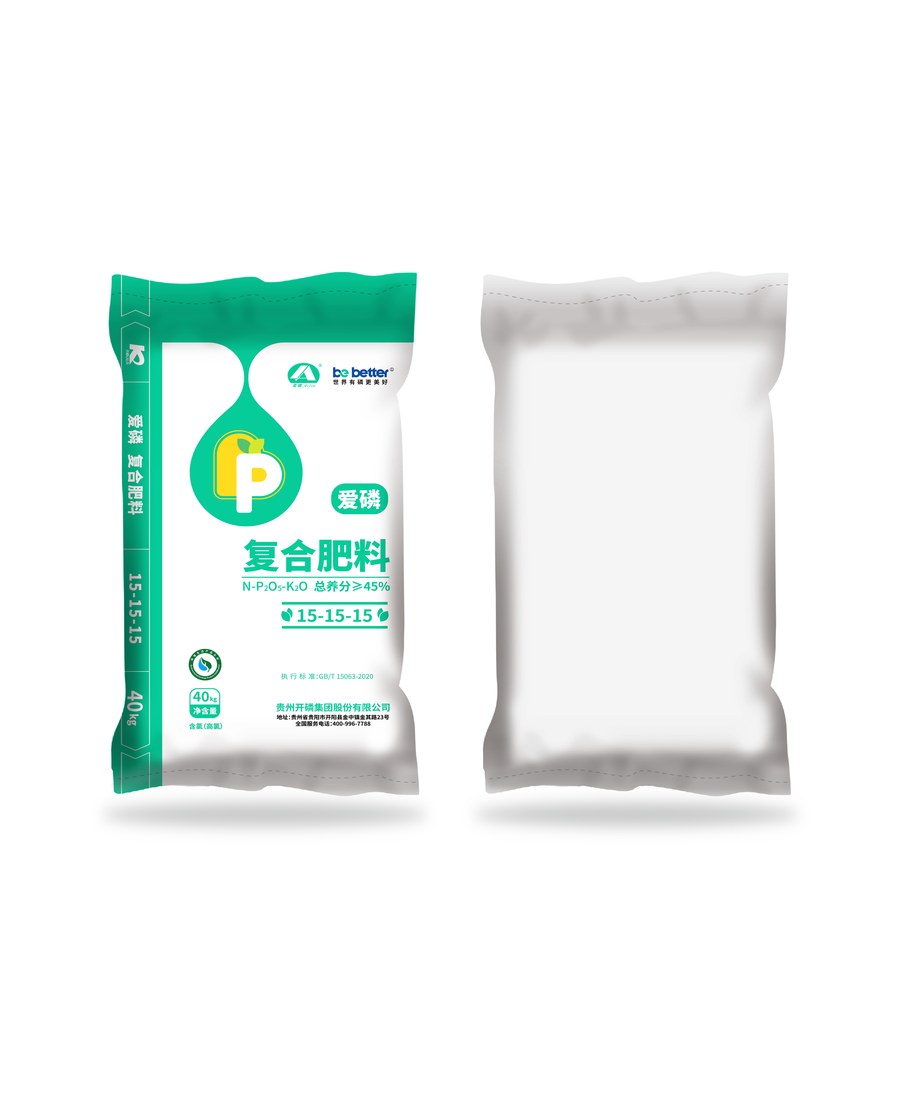
Chloride-based Compound NPK 15-15-15

The cost-effective balanced grade for rice, corn and sugarcane. Potassium comes from muriate of potash, which those crops tolerate well, so the price per nutrient unit stays low.

15-15-15N-P-K ≥80%water-soluble P 1×20'GPminimum order
Get a Quote Request TDS / COA
Chloride-based Compound NPK 15-15-15

SPECIFICATION

Technical data

N-P₂O₅-K₂O15-15-15 (45% total)
Water-soluble P≥80% of available P₂O₅
Potassium sourceMuriate of potash (MOP)
ChlorideMedium to high, declared on the bag
Moisture≤1.5%
Granule size2–4 mm
Granule strength≥20 N
Packing25 kg / 50 kg / 1,000 kg

Typical values. The contract and the lot COA govern; ranges vary by formulation and raw material lot.

What it is

A 1:1:1 compound granulated with muriate of potash. It is the workhorse grade for field crops: enough phosphorus for establishment, enough potassium for grain filling, at a price that works at field scale.

How it works

Chloride is an essential micronutrient and rice, corn, sugarcane and oil palm tolerate it well. What they need is the nutrient balance, not a premium salt. That is where the saving comes from — the chloride grade costs less per unit of K₂O than the sulphate version, at the same N and P content.

APPLICATION

Crops and rates

Convert kg/ha to kg/acre by dividing by 2.47. Local registration and recommendations take priority.

CropStageRateNote
RiceBasal + tillering250–350 kg/haBroadcast into puddled soil
CornBasal + V6 top-dress250–350 kg/haKeep 5 cm from the seed
SugarcaneBasal + earthing up400–600 kg/haSplit the nitrogen
Oil palmTwo to three rounds2–4 kg/tree/yearWatch the K balance over the cycle
CassavaBasal300–400 kg/haResponds to potassium

ADVANTAGES

What you get

  • Lowest cost per nutrient unit in the range
  • 80% water-soluble P for reliable establishment
  • Declared chloride content, so you know what you are applying
  • Hard enough for mechanical spreading

Before you apply

  • Do not use on tobacco, potato, grape, citrus or cucurbits.
  • Avoid on saline soils — chloride adds to the salt load.
  • Rice: keep 3–5 cm of water for 48 h after top-dressing.

FAQ

Common questions

Which crops should not use it?

Tobacco, potato, grape, citrus, cucurbits and most leafy vegetables. Use the sulphate grade for those.

Is it cheaper than the sulphate grade?

Yes, typically USD 60–120 per tonne FOB, because muriate of potash costs less than sulphate of potash.

Can it be blended with urea?

Yes, but blending risks segregation. A granulated compound keeps the ratio consistent in every granule.

What is the chloride content?

It is declared on the bag and varies by formulation; ask for the lot figure with the COA.

Ask for the specification and a COA sample

Send the volume and destination port, and we reply within one working day.

Get a Quote